Dealing with bulky waste on Forest Gate terraced streets
Posted on 22/05/2026
Dealing with bulky waste on Forest Gate terraced streets: a practical local guide
If you live on a Forest Gate terraced street, you already know the drill: narrow front paths, parked cars on both sides, awkward stair turns, and not nearly enough space when a sofa, mattress, wardrobe, or broken freezer needs to go. Dealing with bulky waste on Forest Gate terraced streets is not just a matter of dragging things outside and hoping for the best. It takes planning, the right timing, and a bit of local common sense.
This guide breaks the process down clearly. Whether you are clearing a flat between tenancies, replacing old furniture, or simply trying to make room in a tightly packed home, you will find practical steps here. We will look at what bulky waste really means, how to handle it safely on terraced streets, where people often go wrong, and when a removal service can save you a lot of hassle. Truth be told, a good plan can turn a stressful job into a surprisingly tidy one.
Why Dealing with bulky waste on Forest Gate terraced streets Matters
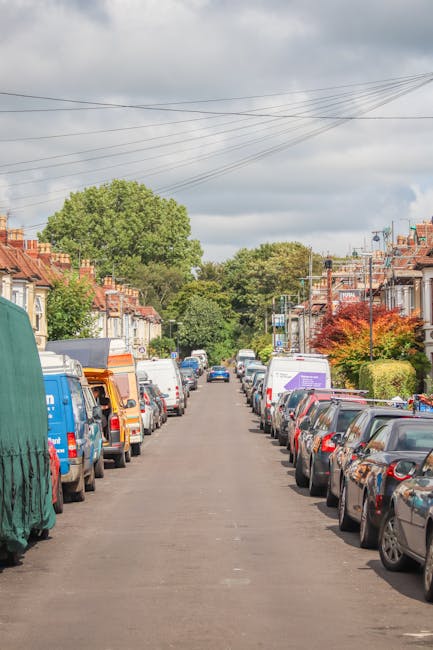
Terraced streets in Forest Gate can be lovely, but they are rarely forgiving when it comes to large unwanted items. A bulky wardrobe can block a hallway. A mattress can catch on the banister. A fridge can scratch walls on the way out. And if the street outside is tight, you may not have room to stage anything safely without causing a fuss for neighbours or blocking access.
That is why bulky waste needs to be handled with care rather than haste. On these streets, the challenge is not just the item itself. It is the full route: the internal stairs, the front step, the path, the pavement, the vehicle loading point, and sometimes the timing around school runs or peak parking pressure. A job that looks simple from the front room can turn into a small operation very quickly.
There is also a practical side that people sometimes miss. Damaged walls, strained backs, broken handles, chipped flooring, and avoidable delays are all common when heavy items are moved without a plan. In our experience, the less space you have to manoeuvre, the more important preparation becomes. A few minutes of thinking can save a lot of noise, effort, and swearing under your breath. Happens to the best of us.
If your bulky waste is connected to a bigger clear-out, it can help to think in stages. Many households on tight streets benefit from decluttering before moving day, especially if they are already using decluttering advice before a move or booking support through removals in Forest Gate for a larger project.
How Dealing with bulky waste on Forest Gate terraced streets Works
There are usually three sensible ways to handle large unwanted items on a terraced street: prepare them for collection, move them to a permitted loading point for removal, or book a professional service that can collect and carry them out safely. The best option depends on the item, how heavy it is, whether it needs dismantling, and how much access you actually have.
For many homes, the process begins indoors. Measure doorways, check stair widths, and look at corners where furniture might snag. A chest of drawers might be easy enough once the handles are removed. A wardrobe may need to come apart before it will fit through the hall. A mattress can usually be carried, but on a narrow landing it may need two people and a decent plan, not guesswork.
On the street side, you need to think about loading. Terraced roads can be tight, so the vehicle may have to park a little way from the door. That is normal. What matters is making sure the route stays clear, the item is protected, and no one has to carry it awkwardly around bins, railings, or cars. If the item is very bulky, an organised team and the right vehicle often make the whole thing far more manageable. A good man with a van in Forest Gate or a more complete removal service can be the difference between a neat collection and a slightly chaotic morning.
It also helps to know what kind of bulky waste you are dealing with. Soft items like mattresses are awkward but bend a little. Hard items like wardrobes, desks, and shelving are rigid and can trap fingers or catch on corners. White goods like freezers and fridges are heavy, slippery, and often best left to people who already know how to move them safely. Not glamorous, but there it is.
Key Benefits and Practical Advantages
Handled well, bulky waste removal does more than clear space. It can make the whole home feel calmer, safer, and easier to use. That is especially true in older terraces where storage is limited and every doorway seems to have a mind of its own.
- More usable space: removing one large item can open up a hallway, spare room, or under-stairs area that had become a dumping ground.
- Less injury risk: the right method reduces strain on backs, shoulders, and wrists, especially on stairs.
- Fewer property scuffs: careful carrying protects walls, banisters, flooring, and door frames.
- Better neighbour relations: an organised collection is far less disruptive than leaving items awkwardly on the pavement.
- Faster turnaround: what might take you an entire afternoon can often be handled more efficiently by a team with the right kit.
- Cleaner finish: once bulky waste is gone, any planned deep clean, decorating, or rental reset becomes much easier.
There is also a quieter benefit: peace of mind. You stop walking around that old sofa, stop thinking about the freezer that has been sitting in the corner for months, and stop promising yourself you will sort it "next weekend". We all know how that story goes.
For items that are still useful but no longer needed at home, it can be worth looking at storage or reuse options before disposal. A service such as storage in Forest Gate may be more appropriate if you are between homes or not ready to let go yet.
Who This Is For and When It Makes Sense
This approach is useful for a wide range of people, not just those doing a full house move. In Forest Gate, bulky waste issues tend to crop up in very ordinary moments: a tenant replacing a bed, a family upgrading a sofa, a student leaving a flat, or a landlord clearing a property between occupants.
It makes particular sense if you are dealing with one or more of the following:
- large furniture that will not fit into a normal bin collection
- an item too heavy for one person to carry safely
- stairs, tight corners, or narrow front doors
- more than one bulky item at the same time
- a time-sensitive clearance before a tenancy check-out or renovation
- an awkward item that needs dismantling before removal
- limited parking or no easy loading space outside the property
Students and flat-sharers often need a quick, compact solution. In those cases, student removals in Forest Gate can be a practical fit, especially when there are beds, desks, and mismatched bits of furniture involved. Families, on the other hand, often need more planning and may benefit from broader support through house removals in Forest Gate if the bulky waste is part of a bigger reset.
Sometimes the answer is simple: if the item is genuinely too awkward for your space, your body, or your schedule, get help. That is not overreacting. That is just sensible.
Step-by-Step Guidance
If you want a smooth job rather than a messy one, work through the process in order. The sequence matters more than people think.
- List every item. Write down what needs to go, including anything that might be hidden behind or under larger pieces.
- Check the route. Look at hallway width, stairs, door swings, exterior steps, and the pavement outside.
- Measure before lifting. Measure the tallest, widest, and deepest points. A quick tape-measure check saves a lot of trial and error.
- Decide what can be dismantled. Remove shelves, legs, doors, handles, and loose parts where safe to do so.
- Protect the property. Use blankets, corner guards, or simple floor protection for tight routes and heavy items.
- Plan the loading point. If you are moving the item to a van, know where it will be parked and who will carry what.
- Lift with support. Two people should lift together and move at a steady pace. No sudden turns. No heroics.
- Clear the item out fully. Check for fixings, cables, and hidden contents before it leaves the property.
- Sort recycling or disposal. Separate items that can be reused, recycled, or taken away as waste.
- Finish with a reset. Sweep, wipe, and inspect the area for damage or left-behind fragments.
For people who are also packing or moving home, it can help to combine this work with other preparation tasks. Good packing habits from packing and boxes in Forest Gate can reduce clutter before the bulky items come out, while a broader guide like packing efficiently for a move can make the whole process feel less scattered.
And if you are looking at a same-day clear-out because a deadline suddenly appeared, yes, that happens, the option of same-day removals in Forest Gate can be a real relief.
Expert Tips for Better Results
There are a few habits that consistently make bulky waste handling easier on terraced streets. They are not dramatic, just the sort of practical detail that saves time.
1. Start with the route, not the item
Most people focus on the sofa or wardrobe first. Fair enough. But the route is usually the bigger problem. If a piece will fit through the front room door but not turn at the bottom of the stairs, you need to know that before you begin. A fifteen-second look can stop a fifteen-minute struggle.
2. Remove friction before it becomes a problem
Take off doorstops, move small furniture, roll up rugs, and clear shoes, bins, or bikes from the hallway. You want the path to feel boring. Boring is good here.
3. Use the right lifting technique
Heavy items should be lifted with the legs, not the back, and carried close to the body where possible. If you want a deeper look at the mechanics, the guide on kinetic lifting is helpful. It is not about fancy jargon; it is about moving in a controlled way so your body does less of the shouting later.
4. Keep one person in charge of the move
On awkward jobs, the best outcomes usually come from having one person calling the route and timing. Too many voices create confusion, especially on stairs. One clear instruction beats three half-finished suggestions.
5. Think about the weather
A damp morning, a slippery path, or a bit of rain can change how safely you move items. It sounds obvious, but on London streets it is easy to forget. Wet cardboard, wet fabric, wet paving... not ideal.
If your bulky item is particularly awkward, such as a piano, it is worth understanding why certain jobs are not suitable for DIY handling. The same logic appears in piano removals in Forest Gate and the article on why piano moving is not a DIY task. Different item, same principle: size and weight can quickly outpace confidence.
Common Mistakes to Avoid
Most bulky waste problems do not begin with the waste itself. They begin with assumptions. Here are the big ones.
- Assuming it will fit once you start moving. Measure first. Always.
- Leaving the item until the last minute. That is how hallways get blocked and tempers rise.
- Trying to do everything alone. Some items are simply too much for one person, even if they look manageable in the room.
- Dragging items across floors. It is faster until the floor gets scratched.
- Ignoring fixings and loose parts. A shelf left attached can turn a straightforward lift into a nuisance.
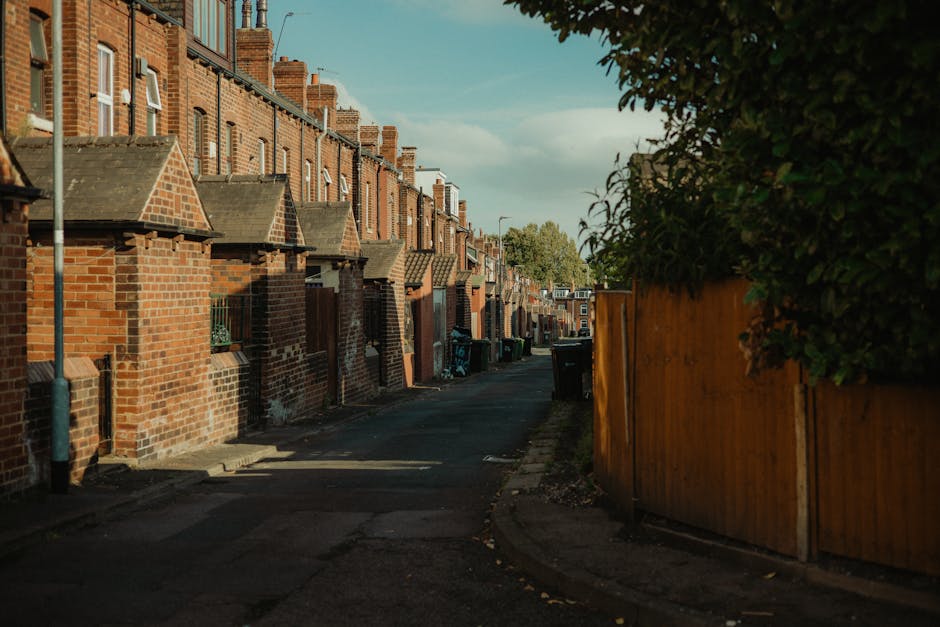
- Parking assumptions. Not every street offers easy roadside loading, especially in tighter terraced areas.
- Mixing waste and reusable furniture. Separate them early so you do not send useful items to the wrong place.
A small but common error is failing to think about the next stop after the item leaves the house. Do you need to recycle it? Store it? Move it to another address? If you are not sure, the whole thing gets held up. A clear end point matters as much as a clear exit route.
Tools, Resources and Recommendations
You do not need a warehouse full of equipment to handle bulky waste properly, but a few simple tools make a big difference.
| Tool or resource | What it helps with | Best use case |
|---|---|---|
| Measuring tape | Checks whether items fit through doors and turns | Before any lifting begins |
| Furniture blankets | Protects walls, floors, and the item itself | Tight hallways and staircases |
| Work gloves | Improves grip and protects hands | Carrying rough or dusty items |
| Ratchet straps or rope | Keeps items secure in transit | Loading into a van |
| Screwdriver or hex key set | Helps dismantle furniture | Wardrobes, beds, desks, shelving |
| Protective floor covering | Reduces scuffs and dirt transfer | Hallways, landings, front rooms |
For bigger clear-outs, a wider support service can be useful. If bulky waste is just one part of a larger home or office project, services overview is a good place to understand what kind of help is available. If the item is still valuable but not needed immediately, furniture removals in Forest Gate may be more appropriate than treating everything as waste.
When the job includes heavier or more awkward pieces, it is sensible to look at safety support too. The page on insurance and safety is useful for understanding how a professional service approaches risk in practical terms.
Law, Compliance, Standards, and Best Practice
This is the part people sometimes skip, then regret later. In the UK, household waste must be handled responsibly, and that includes bulky items. You do not need to become a legal expert, but you do need to avoid fly-tipping, unsafe storage, and handing items to the wrong sort of operator.
Good practice usually means using a service that can explain where your waste goes, how reusable items are separated, and how items are handled safely. A responsible removal business should be able to talk clearly about loading, transport, disposal, and recycling without sounding vague. If the answer is a shrug, that is not a great sign.
For renters and landlords, there is also a practical duty to leave properties clear and safe at the end of occupancy. That includes removing bulky items in a way that does not damage communal areas, create blocked exits, or leave sharp debris behind. Nothing fancy. Just decent, careful work.
It can also be helpful to ask about service terms, payment handling, and complaint routes before booking. Not because you expect trouble, but because clear expectations are part of good service. For that, the pages on payment and security, terms and conditions, and complaints procedure help set a sensible standard.
On the sustainability side, a careful approach to reuse and recycling is better than simply treating every item as rubbish. The page on recycling and sustainability is a useful reminder that bulky waste can often be handled in a way that is a little kinder to the environment, and to your conscience.
Options and Comparison Table
There is no single best method for every terrace house or flat. The right option depends on the item, the deadline, and how much effort you are willing to put in. Here is a straightforward comparison.
| Option | Best for | Pros | Drawbacks |
|---|---|---|---|
| DIY carry-out | Small, light bulky items | Low cost, flexible timing | Higher risk of damage or injury, slower on narrow stairs |
| Self-managed van hire | People with lifting help and loading experience | More control over timing, can handle several items | Parking, lifting, and disposal still fall on you |
| Man and van service | Medium-sized clear-outs or awkward access | Practical support, faster loading, less strain | May not suit hazardous or highly specialised items |
| Full removal service | Larger or more complex property clearances | Better for multiple heavy pieces, more organised process | Usually more involved than a simple one-item collection |
For many Forest Gate terraces, the middle ground is the sweet spot: enough support to do the job safely, but not so much that the process becomes overblown. If you are not sure what fits, a direct conversation with a local provider is often the quickest way to sanity-check the plan. Sometimes you just need someone to say, "yes, that sofa is going to be a pain." Which, frankly, it probably is.
People moving from flats often find that flat removals in Forest Gate line up well with bulky waste jobs, especially when the staircase is narrow and the clock is ticking.
Case Study or Real-World Example
Imagine a typical terrace near a busy Forest Gate side street. A couple has just bought a new sofa-bed and wants the old one out before the delivery arrives. The old sofa is heavy, the hallway is narrow, and there is a small bend on the stairs where carrying it down in one piece would be awkward.
Instead of trying to wrestle it through at the last minute, they measure the route first. They remove the legs, clear the hallway, protect the wall corners, and check where the vehicle can safely park. The sofa is then carried by two people, with one person guiding the turn and the other keeping the base steady. No rushing. No tugging.
Because they planned it properly, they avoid chipped paint on the stair wall and do not block the pavement longer than necessary. The job still takes effort, of course. It is a sofa, not a cushion. But it feels controlled rather than chaotic.
That same approach works for many other bulky items: bed frames, wardrobes, old freezers, filing cabinets, even piles of mixed household waste when a room needs clearing before a move. If the job is part of a broader relocation route, some local homeowners also look at route planning for Forest Gate moves to keep timing and access under control.
Practical Checklist
Use this simple checklist before moving a bulky item out of a terraced property.
- Measure the item and the route out of the property.
- Check for detachable parts, loose screws, or removable doors.
- Clear the hallway, stairs, and front step.
- Protect floors, banisters, and wall corners.
- Confirm where the vehicle will park.
- Decide whether you need one person, two people, or a professional team.
- Separate reusable items from true waste.
- Check whether any item needs special handling, such as a fridge or piano.
- Keep children and pets away from the route during lifting.
- Do a final sweep for debris, fixings, and forgotten contents.
Expert summary: On Forest Gate terraced streets, bulky waste is rarely difficult because of the item alone. It is difficult because of the route, the space, and the pressure to get it done quickly. Plan the route first, protect the property, and choose the level of help that matches the job. That simple shift avoids most of the common headaches.
Conclusion
Dealing with bulky waste on Forest Gate terraced streets is one of those jobs that looks straightforward until you are standing in a narrow hallway with a piece of furniture that seems to have grown since yesterday. The good news is that it does not have to be stressful. With a little planning, the right tools, and a realistic view of the space you are working in, even awkward items can be handled safely and cleanly.
The key is to treat the job as a route problem, not just a lifting problem. Once you do that, everything gets easier: the clear-out, the loading, the disposal, and the final tidy-up. And if the job is bigger than expected, there is no shame in getting help. In fact, that is usually the wise move.
Get a free quote today and see how much you can save.
Sometimes the most satisfying part is simply seeing a clear hallway again, with daylight coming through and no bulky obstacle sitting in the way. Small win, but a real one.